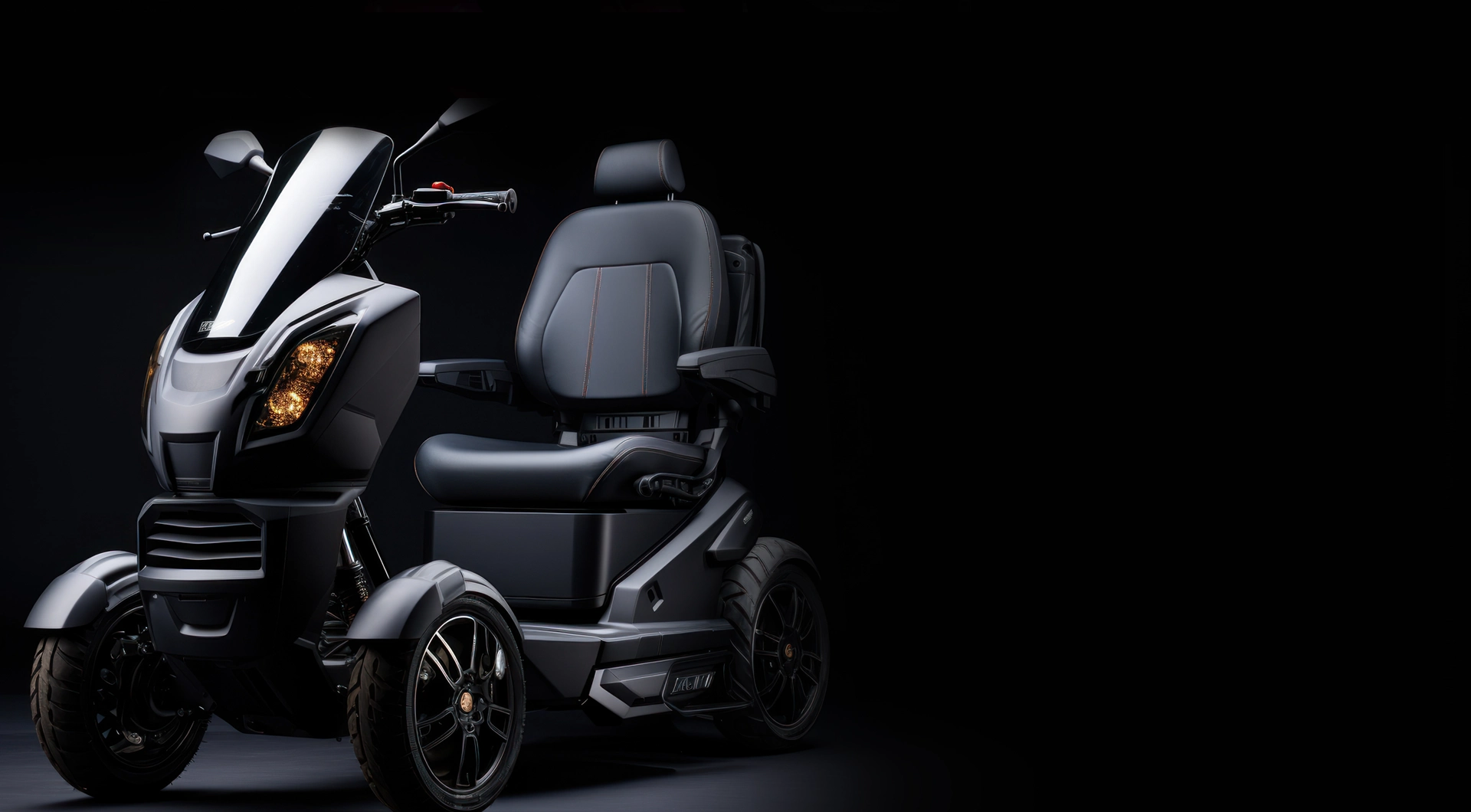
Ride
mobility scooter
safely
For personal autonomy
Mobility scooters are essential accessibility aids designed to support individuals with limited mobility. They restore personal freedom, enhancing independence by enabling travel over outdoor distances where walking is restricted, thus supporting active daily living and community engagement.
Key selection factors
Purchasing the appropriate mobility scooter
Purchasing a medical scooter involves assessing lifestyle needs, medical conditions, and usage patterns. A proper match ensures the aid is functional, comfortable, and safe, integrating seamlessly into independent routines and activities.

Assessing physical needs
Physical attributes, like posture and weight, determine the appropriate seat width and load capacity. Typical travel distance and daily activity frequency dictate the necessary battery autonomy and overall chassis durability required.

Evaluating usage environment
The environment influences the choice. A compact folding model offers maneuverability for indoor spaces, while a robust heavy-duty scooter with full suspension and high clearance suits uneven outdoor terrain and slopes.


Monitor battery and charge regularly
Verify the charge level before use and avoid deep discharge to prolong battery lifecycle.

Inspect pneumatic tires and brakes
Before operating, check tire pressure and electromagnetic brake functionality to maintain safety.

Follow safety rules and wear gear
Respect pedestrian zone regulations, wear a safety helmet, and activate LED lights or visibility gear when navigating, especially at night.
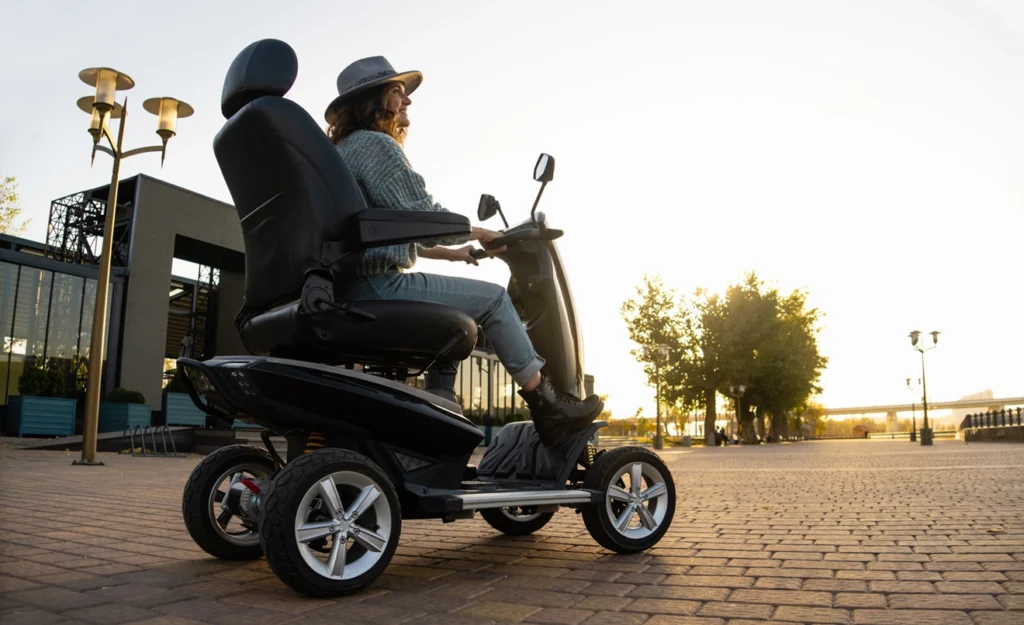
High-capacity battery
Extends operating range, allowing extended outings without charging anxiety.
Shock-absorbing suspension
Absorbs vibrations from uneven surfaces, ensuring spinal protection and smooth ride.
Ergonomic steering
Promotes orthopedic posture and reduces upper limb fatigue during transit.
Technical Maintenance
Major repairs for optimal performance

Travel and mobility
Prepare for excursions safely
Plan accessible routes, secure transit methods, and carry portable accessories to enjoy seamless mobility on the go.
01
Check charge and range
Ensure the unit holds a full cycle to cover the itinerary, considering terrain impact.

02
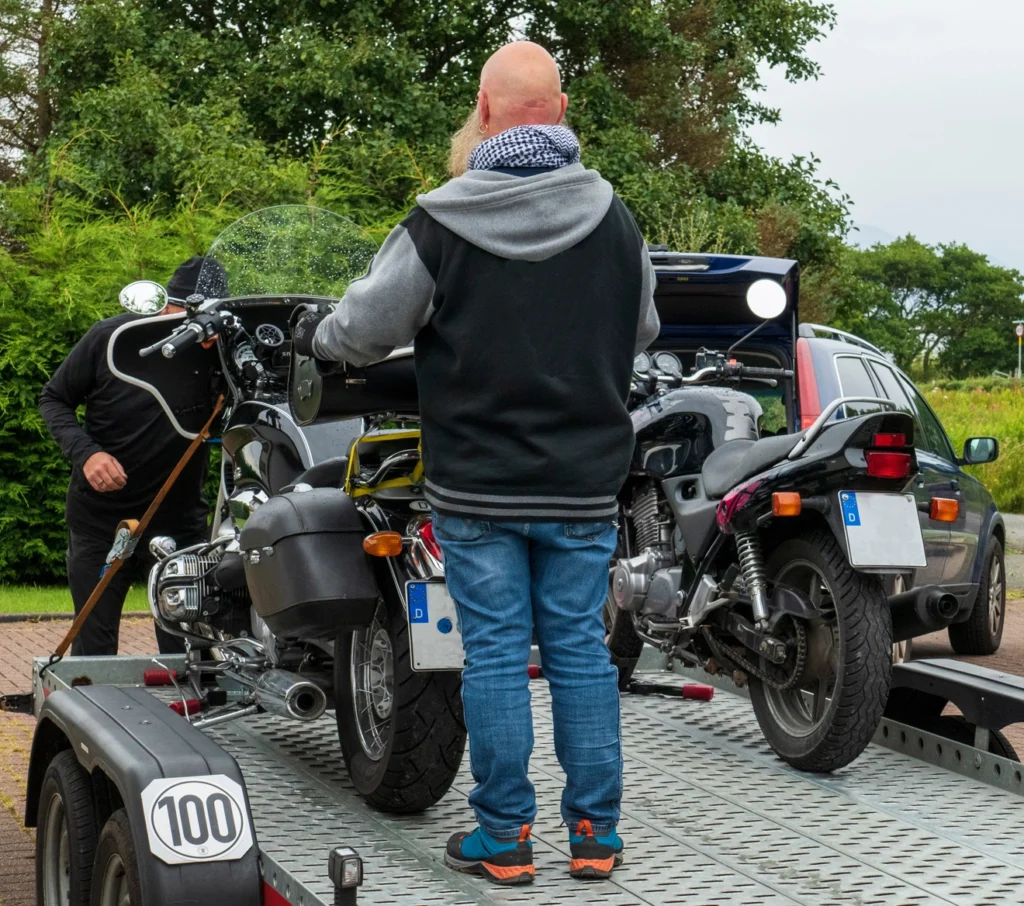
Secure transit options
Use hoists, vehicle lifts, or airline-approved cases to transport the scooter on public transit.
03
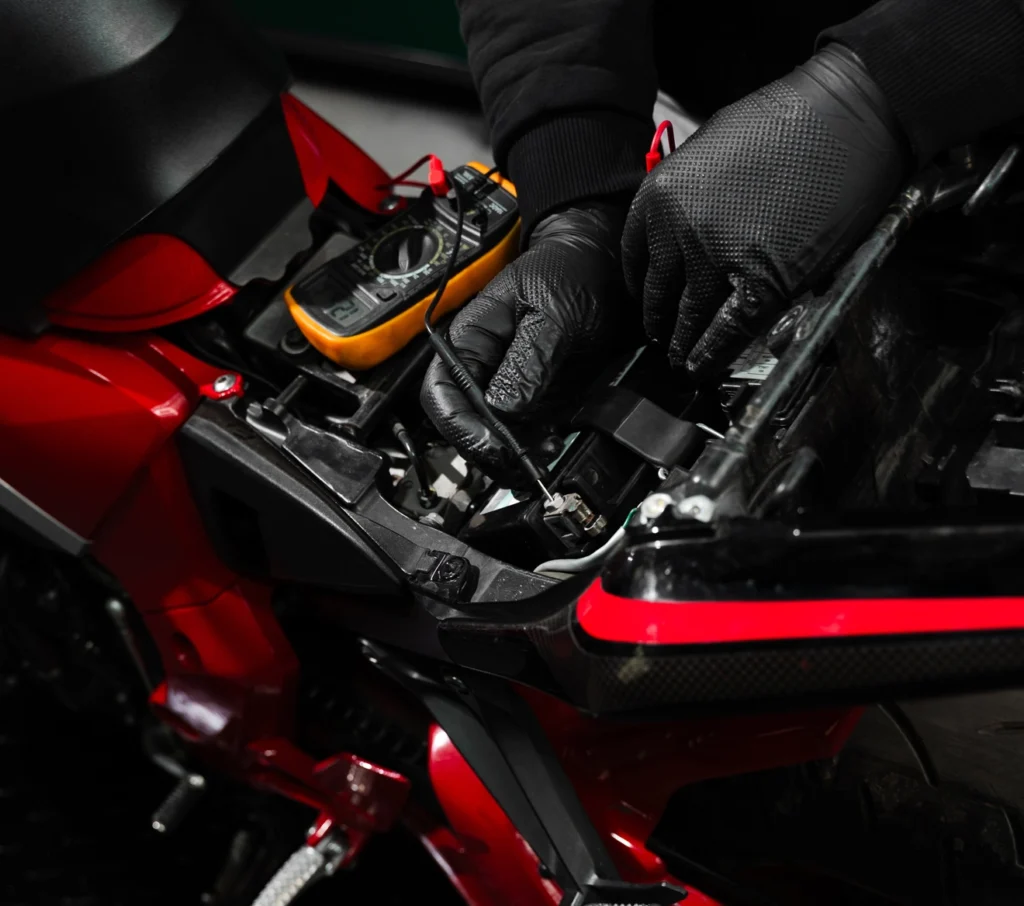
Pack spares and tools
Pack a smart charger, fuses, and maintenance kit to handle mechanical issues while traveling.
Optimize your experience
Essential mobility accessories
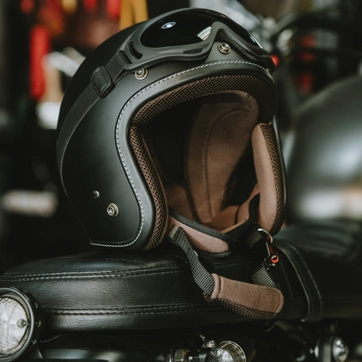
Helmet
Ensures cranial protection in the event of collisions or tipping.
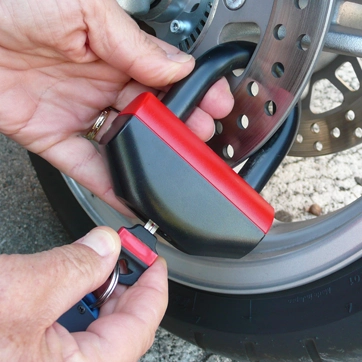
Lock
Secures the mobility aid against theft when parked in public areas.
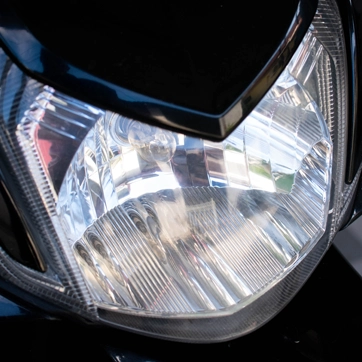
Lights and reflectors
Increases visibility to traffic, ensuring safety during dusk or foggy conditions.